Creating a relaxing outdoor space in your garden can be a wonderful way to enjoy nature and unwind after a busy day. Whether you have a sprawling backyard or a modest balcony garden, a few thoughtful touches can make all the difference. In this article, we’ll explore easy-to-follow tips on designing a serene garden area that encourages relaxation and refreshes your mind.
Why Create a Relaxing Outdoor Space?
Spending time outside offers numerous benefits, from reducing stress to improving mood and fostering creativity. A dedicated garden area designed for relaxation can serve as your private sanctuary. It enhances your connection with nature while providing a quiet escape right at home.
Step 1: Assess Your Garden Space
Before adding features or furniture, take a good look at your garden’s layout:
– Size and Shape: Measure your outdoor area to understand what will fit comfortably.
– Sunlight and Shade: Notice which parts get sun and when. This helps in choosing both plants and seating spots.
– Soil and Drainage: Check if the soil is suitable for planting and whether the area tends to get waterlogged.
Understanding these basics will help you create a space that functions well and looks inviting.
Step 2: Plan Your Garden Zones
Break your garden into zones for different purposes to maximise relaxation:
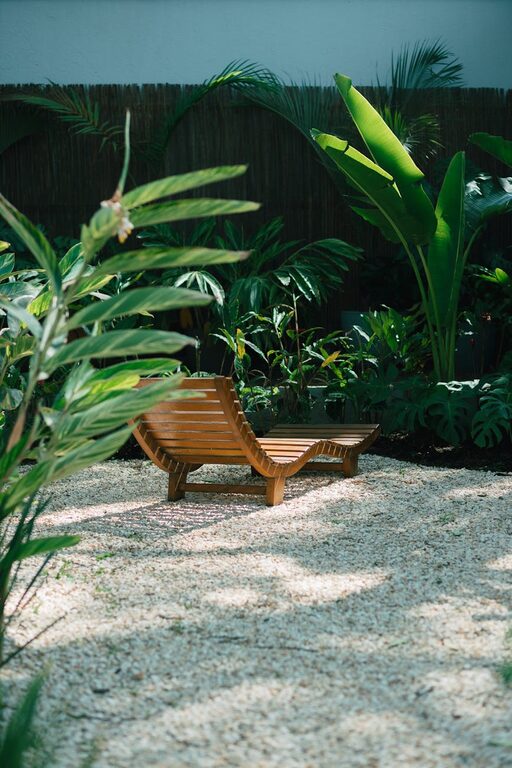
– Seating Area: Consider a quiet corner with comfortable seating for reading or meditating.
– Dining Space: If you enjoy outdoor meals, allocate space for a table and chairs.
– Planting Zones: Place flowerbeds, herbs, or shrubs around your seating to add colour and fragrance.
– Pathways: Define clear paths to guide visitors through your garden without stepping on the greenery.
You don’t need to use all these zones, but mixing them depending on your preferences can enhance the overall experience.
Step 3: Choose Comfortable and Durable Furniture
Select garden furniture that suits your style and comfort needs:
– Materials: Look for weather-resistant materials like teak, aluminium, or synthetic rattan.
– Comfort: Include cushions with removable, washable covers for easy cleaning.
– Flexibility: Chairs and tables that can be moved easily help adapt the space for different uses.
Avoid overcrowding. A few key pieces that create a cosy atmosphere work better than too much furniture.
Step 4: Add Soothing Elements and Decorations
Small details make a big difference in creating calm:
– Water Features: The gentle sound of water from a fountain or birdbath can be very soothing.
– Lighting: Use soft lighting such as fairy lights, lanterns or solar-powered lamps to create ambience for evening use.
– Natural Textures: Incorporate materials like wood, stone or bamboo to bring natural beauty.
– Soft Textiles: Add outdoor rugs and throws designed for exterior use to enhance warmth and texture.
Try to keep decorations simple to avoid visual clutter.
Step 5: Select Plants for Calm and Colour
Plants are key to a relaxing garden. Choose a mix that provides year-round interest and a calming atmosphere:
– Evergreens: These keep the garden green throughout the seasons.
– Fragrant Flowers: Lavender, jasmine or roses add pleasant scents.
– Grasses and Ferns: Their gentle movement in the breeze encourages relaxation.
– Herbs: Mint, rosemary or thyme offer pleasing smells and can be used in the kitchen.
Arrange plants so they soften edges and frame seating areas without blocking views.
Step 6: Incorporate Shade and Shelter
To make your garden usable during sunny or showery weather, consider shade options:
– Pergolas and Gazebos: Provide shelter while adding architectural interest to your garden.
– Umbrellas: Freestanding or attached parasols create flexible shaded spots.
– Plant Trees or Tall Shrubs: These offer natural shade and privacy.
Shelter also helps protect furniture and cushions from the elements, prolonging their life.
Step 7: Keep Maintenance Simple
A relaxing garden should be low-stress to maintain. Choose plants suited to your climate that don’t need frequent watering or pruning. Use mulch to retain moisture and reduce weeds. Consider installing an automatic or drip irrigation system if you have a larger garden.
Keep pathways clear and clean seating regularly. The less effort it takes to care for your garden, the more you can enjoy it.
Final Thoughts
A relaxing outdoor space turns your garden into a personal haven. By planning carefully, choosing comfortable furniture, adding natural elements and maintaining your space thoughtfully, you’ll create an inviting area where you can relax, entertain or simply enjoy the outdoors. Even small gardens can benefit from a few simple changes — so start today and enjoy your own peaceful outdoor retreat!
About the Author