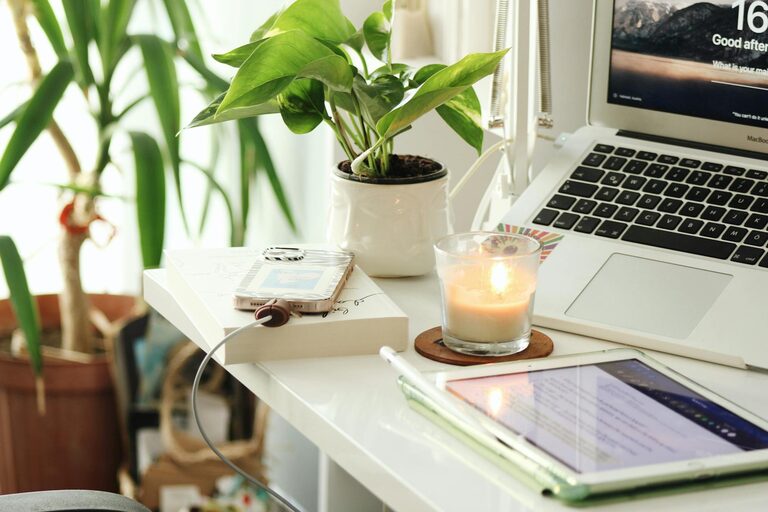
Creating a home office that feels both relaxing and productive can be a real game-changer for anyone working remotely or freelancing. A well thought-out space helps improve focus, reduces stress, and makes your workday more enjoyable. If you’re looking to transform your home office into a place where you can thrive, here are some practical tips to help you achieve that perfect balance.
Choose the Right Location
Finding the right spot for your home office is the first step. Ideally, select a quiet area of your home with minimal distractions. If possible, avoid high-traffic zones like living rooms or kitchens. The goal is to separate your work space from your relaxation areas, so your brain associates this space primarily with work.
Prioritise Comfort with Ergonomics
Comfort is key for long hours at your desk.
– Invest in a quality chair: Choose one that supports your back and promotes good posture.
– Desk height: Your desk should allow your arms to rest comfortably when typing.
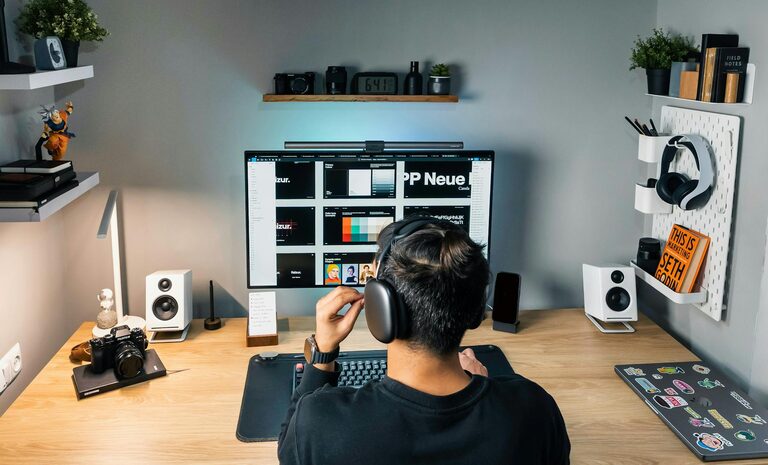
– Screen position: Position your monitor so your eyes look straight ahead, reducing neck strain.
– Lighting: Use adjustable lighting to prevent eye strain. Natural light is best, but task lamps can help on cloudy days or evenings.
Embrace Natural Light and Air
Exposure to natural light can boost mood and energy levels.
– Position your desk near a window if possible.
– Avoid glare on screens by adjusting curtains or blinds as needed.
– Open windows regularly to let in fresh air; good ventilation is vital for staying alert.
Declutter and Organise Your Space
A tidy desk helps clear your mind.
– Use storage solutions such as shelves, drawers, or filing cabinets to keep essentials organised.
– Keep only necessary items on your desk to reduce distractions.
– Develop a daily or weekly routine to tidy up your workspace, keeping it inviting and efficient.
Add Calming Elements
Incorporate items that promote relaxation and reduce stress.
– Plants: Indoor greenery can improve air quality and create a calming atmosphere.
– Colour scheme: Use soothing colours like soft blues or greens for walls and accessories.
– Personal touches: Photos, artwork, or favourite objects can make your space feel more welcoming without cluttering.
Set Boundaries and Routines
A home office can blur the line between work and home life, so clear boundaries are essential.
– Establish set work hours to help your brain switch between ‘work mode’ and ‘relax mode’.
– Inform family members or housemates of your schedule to minimise interruptions.
– Consider using a ‘do not disturb’ sign if needed.
Use Technology to Stay Organised and Focused
Technology can be a great aid if used mindfully.
– Use apps to manage your schedule and tasks.
– Set timers or alarms to remind you to take breaks.
– Use noise-cancelling headphones or ambient sounds to block distractions.
Take Regular Breaks
Breaks are vital for maintaining productivity and reducing fatigue.
– Follow the 50/10 rule: work for 50 minutes, then take a 10-minute break.
– Use breaks to stretch, walk around, or practice deep breathing.
– Avoid working through lunch; eating away from your desk can refresh your mind.
Personalise Your Environment with Scent and Sound
Engage your senses to create a pleasant atmosphere.
– Use subtle scents like lavender or eucalyptus from a diffuser or candle to encourage calm.
– Background music or white noise can improve concentration, depending on personal preference.
Keep Hydrated and Snack Smart
Staying physically comfortable supports mental focus.
– Keep a water bottle nearby and drink regularly.
– Choose healthy snacks such as nuts, fruit, or yoghurt rather than sugary treats.
—
By applying these tips, you can design a home office space that fosters both relaxation and productivity. Remember that your work environment should support your personal needs and preferences, so feel free to adapt these ideas to what suits you best. A balanced space leads to better work habits and a more enjoyable home working experience.
About the Author