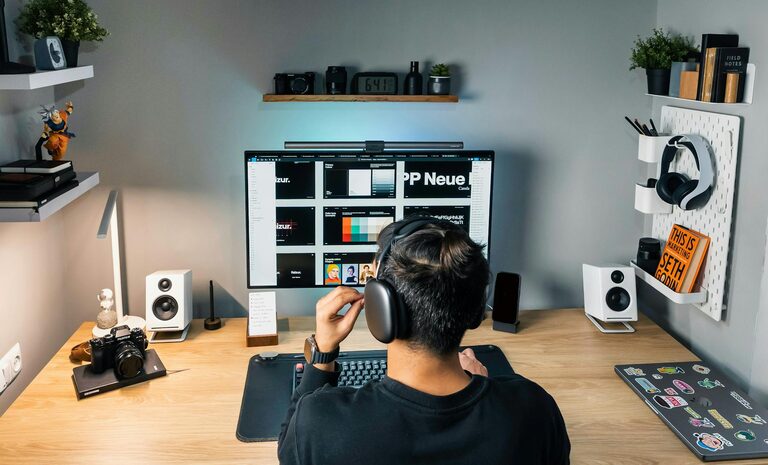
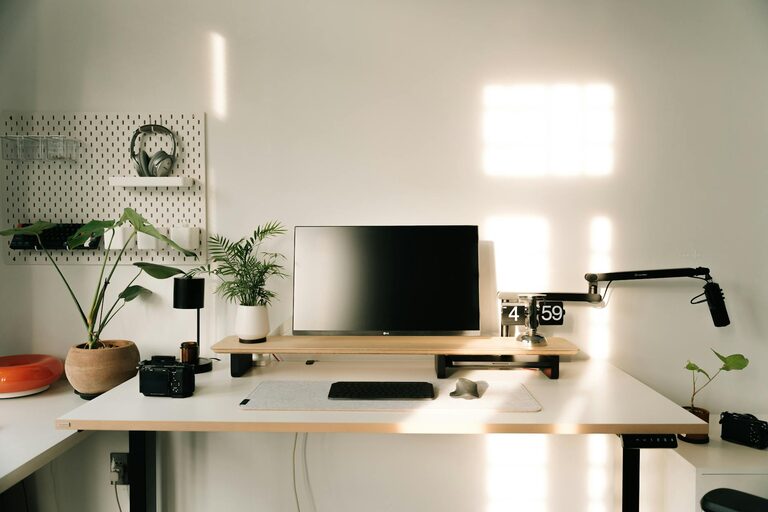
Creating a productive home office environment is essential for anyone working remotely or studying from home. A well-designed workspace not only enhances focus but also supports comfort and good work habits. Here are practical tips to help you create a home office that encourages productivity and wellbeing.
Choose the Right Location
The first step in setting up your home office is selecting the best spot. Ideally, pick a quiet area with minimal distractions, such as a spare room or a quiet corner. If space is limited, consider using room dividers or screens to separate your workspace from living areas.
Natural light is another important factor. Position your desk near a window if possible, as daylight can boost mood and energy levels. Make sure to avoid glare on computer screens by arranging the desk at the correct angle.
Invest in Comfortable and Ergonomic Furniture
Spending long hours in an uncomfortable chair or at a poorly positioned desk can cause physical strain and reduce productivity. To avoid this, invest in ergonomic furniture:
– Chair: Choose one with adjustable height, lumbar support, and comfortable cushioning. Your feet should rest flat on the floor, and your knees should be at a roughly 90-degree angle.
– Desk: Ensure your desk is at an appropriate height for typing and writing without strain. Adjustable desks that can also be used standing are ideal.
– Keyboard and Mouse: Position these accessories to keep your wrists straight and your arms close to your body.
Organise Your Space Efficiently
A cluttered workspace can disrupt concentration. Keep your home office tidy by organising essentials and minimising distractions:
– Use drawers, shelves, or filing cabinets to store documents and supplies.
– Keep only frequently-used items on the desktop.
– Use cable organisers or clips to manage wires neatly.
– Label storage boxes to find items quickly.
Regularly declutter your workspace and adopt a habit of clearing your desk at the end of each day to maintain order.
Establish a Dedicated Work Routine
Creating and sticking to a daily work schedule helps separate professional and personal time, even at home:
– Set clear working hours and communicate them to family or housemates.
– Take regular breaks to stretch and refresh your mind. Techniques like the Pomodoro method can aid focus.
– Use a planner or digital calendar to organise tasks and deadlines.
– Prioritise tasks each day to manage workload effectively.
Minimise Noise and Distractions
Noise and interruptions can easily disrupt concentration. Here’s how to manage them:
– Use noise-cancelling headphones or earplugs if your home is noisy.
– Consider white noise machines or apps to mask disruptive sounds.
– Inform family members or housemates of your work hours and request quiet during those times.
– Disable unnecessary phone notifications and close distracting apps while working.
Optimise Lighting and Temperature
Proper lighting reduces eye strain and fatigue:
– Combine natural and artificial lighting. Use adjustable desk lamps for focused tasks.
– Avoid harsh fluorescent lights; opt for LED bulbs with a soft, warm light.
– Keep blinds or curtains handy to control daylight during different times of the day.
Temperature also affects comfort and productivity. Ensure the room has adequate ventilation and maintains a comfortable temperature, ideally between 18-22°C.
Personalise Your Workspace
Creating a pleasant and motivating environment can enhance your mood and productivity:
– Add indoor plants to improve air quality and create a calming atmosphere.
– Decorate with artwork, photos, or inspirational quotes.
– Choose colours that boost concentration; blues and greens are known to have calming effects.
– Keep a water bottle nearby to stay hydrated.
Use Technology Wisely
Technology is essential but can be a source of distraction or frustration:
– Ensure reliable internet access to avoid interruptions.
– Choose productivity tools such as task managers, note apps, and timers to stay organised.
– Regularly update software and back up important files.
– Use webcams and microphones for virtual meetings, maintaining professionalism.
Prioritise Health and Wellbeing
Working from home enables flexibility, so take advantage of this to support your physical and mental health:
– Incorporate short exercises or stretches into your routine.
– Maintain an organised and inspiring space to reduce stress.
– Take breaks away from screens to rest your eyes.
– Practice mindfulness or relaxation techniques during breaks.
Conclusion
Creating a productive home office involves thoughtful planning and consistent habits. By selecting the right location, investing in ergonomic furniture, organising your space, and managing distractions, you can build a workspace that supports focus and comfort. Remember to personalise your environment and prioritise wellbeing to enjoy a rewarding and efficient work-from-home experience. With these tips, your home office can be a place where productivity thrives.
About the Author